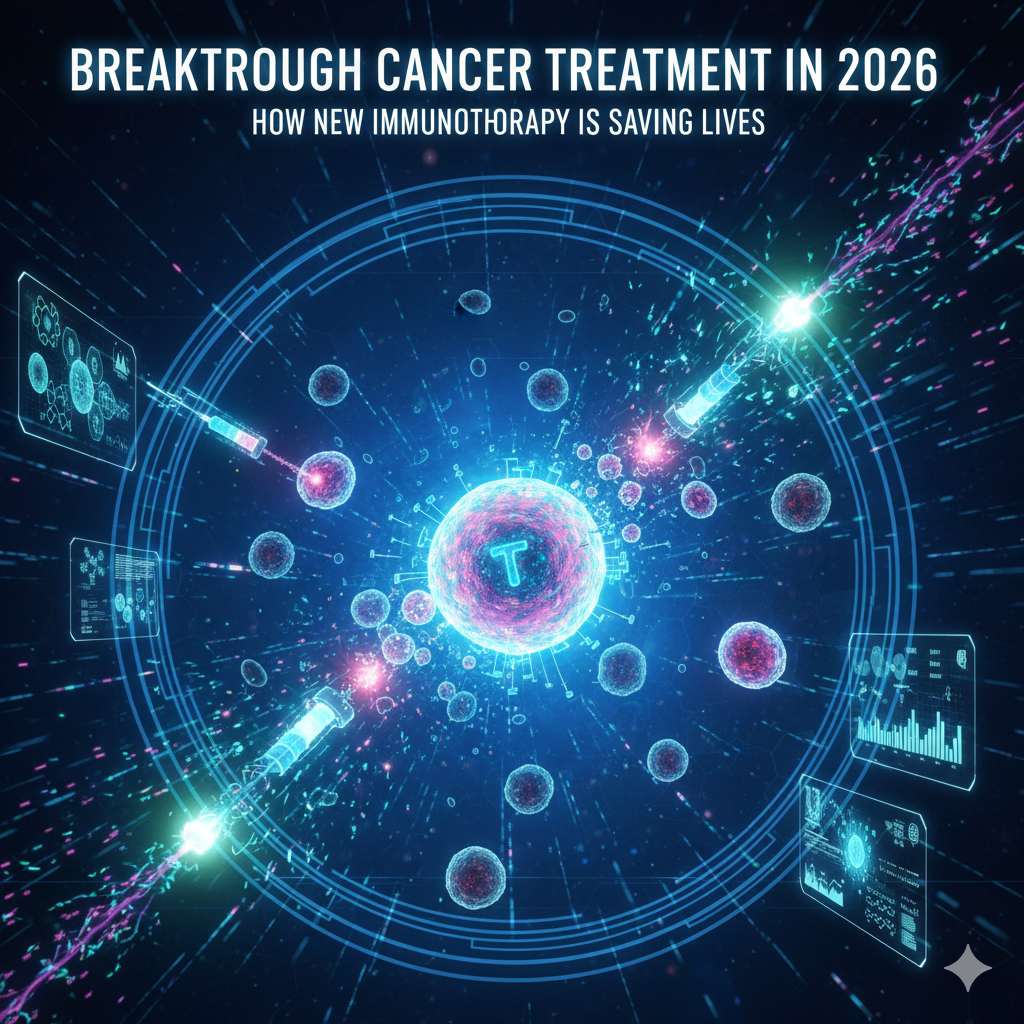
Cancer remains one of the most devastating diseases worldwide. In 2026, immunotherapy has emerged as a game-changing approach, offering new hope to millions of patients. Unlike traditional treatments such as chemotherapy and radiation, immunotherapy uses the body’s immune system to target cancer cells, reducing side effects and increasing survival rates.
What is Immunotherapy?
Immunotherapy is a type of cancer treatment that boosts or restores the immune system’s ability to fight cancer. There are several types:
-
Checkpoint Inhibitors: Drugs that help the immune system recognize and attack cancer cells.
-
CAR-T Cell Therapy: A personalized treatment where a patient’s own immune cells are genetically modified to attack cancer.
-
Cancer Vaccines: Designed to trigger an immune response specifically against cancer cells.
The Global Impact of New Treatments
The rise of immunotherapy has a tremendous impact on the global healthcare market:
-
The immunotherapy market is expected to surpass $300 billion by 2030.
-
Hospitals are investing heavily in advanced treatment centers.
-
Pharmaceutical companies are racing to develop new drugs and therapies.
Challenges and Considerations
Despite its promise, immunotherapy comes with challenges:
-
High Cost: Treatments can range from $100,000 to $500,000 per patient annually.
-
Side Effects: Though less severe than chemotherapy, some patients may experience immune-related complications.
-
Accessibility: Not all hospitals or countries have the infrastructure for advanced immunotherapy treatments.
Success Stories and Real-Life Examples
-
Melanoma Patients: Immunotherapy has increased five-year survival rates from 20% to over 50%.
-
Leukemia Cases: CAR-T therapy has successfully induced remission in patients resistant to other treatments.
-
Global Reach: Clinics in the US, Europe, and Asia are now offering these therapies, expanding access worldwide.
The Future of Cancer Treatment
Researchers are now exploring combination therapies, integrating immunotherapy with AI-driven diagnostics, precision medicine, and gene editing. Experts predict that cancer could become a manageable chronic disease within the next decade.
Conclusion
Immunotherapy is revolutionizing the fight against cancer, offering hope, longer lives, and better quality of life.